06 October 2026
Dental Crowns Southgate CA and Root Canal Recovery: What to Know
Presented by @emiliozodb623
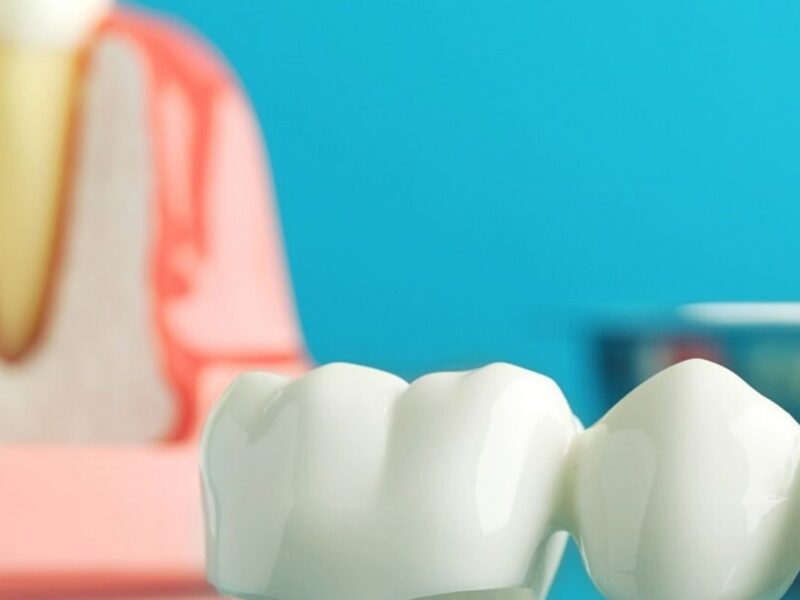
A root canal and a dental crown often travel together, but patients rarely hear the full story until they are already in the chair. One appointment turns into two, numbness lingers into the evening, chewing feels strange for a few days, and then the next question arrives fast: do I really need a crown now?
In many cases, yes. A tooth that has had root canal treatment is often weaker than it was before. The infection or deep decay that led to the procedure may have already hollowed out a significant part of the tooth. Add the access opening used during treatment, and what remains can be vulnerable to cracking under normal bite pressure. That is where crowns come in. They are not cosmetic add-ons in this context. They are often the structure that lets the treated tooth stay functional for years.
Patients looking into Dental Crowns Southgate CA usually want straightforward answers about timing, pain, cost, healing, and whether life will feel normal again. Those are the right questions. The details matter, because the recovery from a root canal is usually manageable, but the long-term success of the tooth depends on what happens next.
Why a crown is so often part of the plan
A root canal removes infected or inflamed tissue from inside the tooth. Once that tissue is cleaned out, shaped, and sealed, the pain from pressure and infection typically improves. What many people do not realize is that the tooth has now lost some of its internal resilience. It no longer has the same moisture balance or structural support it once had, especially if a large filling or deep cavity was already present.
Back teeth are the biggest concern. Molars and premolars carry heavy chewing force every day. If one of those teeth has had root canal treatment and only receives a basic filling afterward, the risk of fracture rises, sometimes dramatically. A crack can start small and spread silently. Then the tooth that was just saved may become unrestorable.
Front teeth are a different conversation. In some cases, a front tooth with minimal damage can do well without a full crown, particularly if enough healthy enamel remains. But that decision depends on bite position, habits like clenching, the size of the previous filling, and whether the tooth has darkened. There is no responsible one-size-fits-all answer.
This is why a dentist will often recommend placing a crown relatively soon after root canal treatment, especially on a back tooth. The crown covers and protects the remaining structure, distributing chewing forces more evenly and reducing the chance of a catastrophic break.
What recovery from a root canal actually feels like
The phrase “root canal” still scares people far more than it should. Most modern root canal procedures feel similar to getting a deep filling, at least during the appointment. Good local anesthesia does the heavy lifting. What patients tend to remember afterward is not sharp procedural pain, but soreness.
That soreness is usually related to inflammation around the root tip and to keeping the mouth open during treatment. It often peaks within the first day or two. Biting may feel tender. Tapping on the tooth can produce a bruised sensation. If the tooth had a severe infection beforehand, or if there was significant pressure around the root, recovery can take a little longer.
A typical pattern looks like this: the mouth is numb for a few hours, the area begins to ache mildly to moderately later that day, over-the-counter pain relief is often enough, and most people feel noticeably better within 48 to 72 hours. A small group needs a bit longer, especially if the tooth was badly infected before treatment.
That said, recovery is not supposed to worsen steadily. Increasing swelling, intense throbbing that does Dental Crowns Southgate CA not respond to medication, fever, or a bite that suddenly feels very high should prompt a call to the dentist. I have seen more than a few patients assume they should “tough it out” when the real problem was a temporary filling sitting too high and putting too much force on an already irritated tooth. That is usually a simple fix, but only if the office hears about it.
The window between the root canal and the crown
This interval matters more than patients think. Some leave the root canal appointment feeling much better and mentally check the tooth off their list. Weeks turn into months. Then the temporary filling chips, the side of the tooth breaks, or recurrent decay forms around a leaking restoration. It is one of the most common preventable setbacks after endodontic treatment.
The timeline depends on the condition of the tooth and the treatment plan. Some offices prepare the tooth for the crown soon after the root canal once tenderness settles. Others place a buildup first, then schedule the crown visit separately. In some cases, a specialist performs the root canal and the general dentist handles the final restoration afterward. The exact sequence can vary, but the principle does not: the tooth needs definitive protection.
Temporary restorations are useful, but they are not designed for the long haul. They can wear down, loosen, or allow bacteria to seep in if left too long. When a patient asks me what the biggest mistake is after a root canal, it is usually delay, not activity. People are often careful with hard foods, but less careful with follow-up.
Why some teeth need more than a crown
A crown covers the visible part of the tooth, but it may need something underneath to support it. If a lot of the original structure is missing, the dentist may place a core buildup to rebuild the internal shape before the crown goes on. In certain cases, a post is also used inside a root canal-treated tooth to help retain that buildup.
This point causes confusion. A post does not strengthen the tooth in the way people imagine. It is not rebar for a tooth. In fact, placing a post when it is not needed can remove additional internal structure. The decision is based on retention and remaining tooth walls, not a blanket rule that every root canal tooth needs one.
A heavily broken-down molar with little structure above the gumline may also require a more nuanced discussion about long-term prognosis. Sometimes the issue is not whether a crown can be made, but whether the tooth has enough healthy foundation to support it predictably. Dentists weigh several factors here, including fracture lines, decay extending under the gum, bone support, and bite stress.
That can be Dental Crowns Southgate CA frustrating for patients who feel they have already invested time and money into saving the tooth. Still, honest case selection is better than placing a crown on a poor foundation and pretending the outcome is secure.
The crown appointment, what usually happens
By the time a crown is made, the root canal-treated tooth is often comfortable enough that the appointment is straightforward. The dentist reshapes the outside of the tooth to create space for the crown material. If needed, the core is rebuilt first. Then an impression or digital scan is taken so the final crown can be fabricated to fit the bite and contact the neighboring teeth properly.
A temporary crown is often placed while the permanent one is being made. That temporary is functional, but it is not as strong or as precise as the final version. It is common for dentists to advise patients not to chew sticky candy, hard nuts, or ice on that side during the temporary phase.
Once the final crown is ready, the dentist checks the fit, the bite, the margins, and the color if appearance matters in the smile zone. A properly fitted crown should feel natural within a short period, though very minor awareness for a few days is common. The tooth should not feel tall or hit first when closing. If it does, a small adjustment can make a large difference in comfort.
Common symptoms after crown placement, and what is normal
A newly crowned tooth can feel different at first. Patients may notice pressure sensitivity when biting, slight gum tenderness where the edge of the crown meets the tissue, or a vague sense that the tooth is “not mine yet.” Those sensations usually settle as the surrounding ligament adapts and the gums calm down.
Temperature sensitivity can happen if the tooth still has a live nerve, but with a root canal-treated tooth the issue is usually more about bite pressure or gum irritation than hot or cold. Since the nerve tissue has been removed, lingering pain inside the tooth itself is a different story and deserves evaluation, especially if it is spontaneous or worsening.
When symptoms cross from normal healing into a concern, the pattern changes. Pain becomes sharper instead of milder. Swelling increases instead of fading. Chewing remains difficult beyond the expected recovery window. The crown feels loose, food traps heavily between teeth, or the gum around it bleeds persistently. These are not details to monitor for weeks. They are reasons to call.
Recovery at home, simple habits that help
Most people recover well with practical, boring advice, which is usually the best kind. If the area is sore, soft foods for a day or two are reasonable. Think eggs, yogurt, rice, pasta, soups that are warm rather than very hot, and softer proteins. Chewing on the opposite side can help, especially if a temporary filling or temporary crown is in place.
A short list of sensible aftercare usually covers it:
- Take pain medicine exactly as directed by your dentist, or use standard over-the-counter options if those were recommended.
- Avoid very hard, sticky, or crunchy foods on the treated tooth until the final crown is in place.
- Keep brushing and flossing, but be gentle around a sore gumline.
- Call the office if swelling increases, the bite feels off, or pain gets worse after the first couple of days.
- Do not postpone the permanent restoration.
That last point deserves repeating because it is where good outcomes often split from bad ones.
How long crowns last after root canal treatment
Patients often want a number, but the truth is more like a range. A well-made crown on a well-treated tooth can last many years, often a decade or more, and sometimes significantly longer. But longevity depends on the starting condition of the tooth, oral hygiene, bite forces, grinding habits, cavity risk, and regular maintenance.
I have seen crowns fail early because decay formed quietly at the margin in a patient with dry mouth and frequent snacking. I have also seen root canal-treated molars keep functioning year after year because the patient wore a night guard, kept cleanings regular, and came in when something felt off rather than waiting six months.
Crowns do not make teeth invincible. The edges where crown meets tooth still need meticulous care. If plaque sits there day after day, the underlying tooth can decay even when the crown itself is intact. Gum recession can expose vulnerable root surfaces. Heavy clenching can stress the supporting structure even if the porcelain looks perfect from the outside.
Choosing crown material, function first, then appearance
There is no universal “best” crown material. The right choice depends on where the tooth sits, how much force it takes, how visible it is, and how the rest of the bite functions. All-ceramic crowns can look excellent and are popular for visible teeth. Other ceramic and porcelain-based options can also work well on back teeth depending on the case. In some high-force situations, material selection leans more toward durability than translucency.
Patients sometimes focus on aesthetics when the more important issue is thickness, fit, and support. A beautiful crown that is too thin in a heavy grinder is not doing the tooth any favors. On the other hand, an overly bulky crown can trap plaque and irritate the gums. The balance is technical, and it matters.
If you are exploring Dental Crowns Southgate CA, ask not just what material a practice uses, but why they recommend it for your tooth specifically. A thoughtful answer is a good sign. So is a dentist who talks about your bite, not just the shade match.
Cost, insurance, and the surprise many patients run into
One of the frustrating parts of root canal care is that finishing treatment often costs more than patients expected. They may budget for the root canal and not realize the final crown is a separate major step. Depending on the tooth, the material, whether a buildup is needed, and regional fee differences, the total restoration cost can vary widely.
Insurance may help, but plans differ in what they cover, how they define necessity, and whether there are annual maximums. That last detail catches people often. A root canal can use up a large share of the annual benefit, leaving less available for the crown that same year. Delaying the crown to line up with benefits can make financial sense in some cases, but it has to be weighed against the risk of breaking the tooth in the meantime.
It is worth having a direct conversation with the office about timing, preauthorization if applicable, temporary protection, and what happens if the tooth fractures before the final crown is placed. Clear expectations prevent avoidable stress.
The special case of a sore tooth months later
A tooth that had a root canal and crown can still become symptomatic later, and that does not always mean the treatment failed. Sometimes the issue is unrelated, such as grinding that inflames the ligament around the tooth. Sometimes the bite has shifted slightly. Sometimes the gum around the tooth is irritated or food is packing between contacts.
There are also true endodontic concerns that can arise, including persistent infection, a missed canal in a complex tooth, or a fracture that was not visible at the outset. Evaluation usually involves an exam, bite checks, and imaging. The key is not to guess. A patient may describe “the crown hurts,” but the source could be the gum, the bite, the root tip area, or even a neighboring tooth referring pain.
One patient I remember was convinced her crowned molar had failed because it hurt every time she chewed. The radiograph looked stable, the root canal itself appeared acceptable, and there was no swelling. The real culprit was nighttime clenching after a stressful month, and the pressure sensitivity eased once the bite was adjusted and she resumed wearing her guard. Another patient with similar symptoms turned out to have a vertical fracture. Same complaint, very different outcome. That is why blanket advice on the internet falls short.
When to call sooner rather than later
Certain symptoms should move you from “watch it” to “schedule it.” Those include persistent swelling, a bad taste that returns repeatedly, significant pain when biting after the initial recovery period, a temporary crown that comes off, or a tooth that suddenly feels sharp-edged because part of it broke away.
A second short checklist can help here:
- Swelling that is new, increasing, or paired with fever.
- A bite that feels high enough to make you avoid closing fully.
- Pain that wakes you up or grows stronger after several days.
- A temporary filling or temporary crown that loosens or falls out.
- Any crack, chip, or sudden change in the shape of the treated tooth.
These are not reasons to panic, but they are reasons to act promptly.
What patients in Southgate should ask before moving forward
If you are comparing options for Dental Crowns Southgate CA after a root canal, the best conversations are often the most practical ones. Ask how much healthy tooth remains. Ask whether a buildup is needed. Ask whether the tooth shows any signs of cracks. Ask how long a temporary can safely stay in place if scheduling gets tight. Ask who will handle follow-up if the root canal was performed by a specialist and the crown by a general dentist.
A solid office should be able to explain the sequence without jargon. You should understand whether your tooth is being restored because it is mildly weakened or because it is one hard pretzel away from a fracture. Those are different levels of urgency.
It also helps to ask about habits that may shorten the life of the work. If you grind your teeth, chew ice, snack frequently on sugary foods, or struggle with dry mouth, those details are not side notes. They change prognosis. Good dentistry is not just about what happens in the operatory. It is about how the restoration lives in your actual mouth, under your actual habits.
The long view
A root canal is not the end of treatment. It is the rescue phase. The crown is often what turns that rescue into a stable, working tooth again. When patients understand that relationship, they tend to make better decisions about timing, aftercare, and follow-up.
The good news is that most root canal recoveries are smoother than patients fear, and most crown appointments are routine when the tooth has healed well. The caution is that delay, neglect, and heavy bite stress can undo otherwise excellent work.
If your dentist has recommended a crown after root canal treatment, that recommendation is usually rooted in mechanics, not upselling. The tooth has already been through a lot. Protecting it properly is often the difference between keeping it and losing it. For patients researching Dental Crowns Southgate CA, that is the central point to keep in mind: the crown is not just there to cover the tooth, it is there to give it a future.
Simple Dental South Gate
Address: 8617 California Ave, South Gate, CA 90280
Phone number: +13236896118
FAQ About Dental Crowns Southgate CA
How much do crowns cost per tooth?
In the United States, a single dental crown typically costs between $800 and $2,500 per tooth without insurance. The ultimate out-of-pocket price depends heavily on the crown material, the location of the tooth, and whether you have dental insurance coverage.
What is the downside of crowns on teeth?
The primary downside of a dental crown is that the procedure permanently removes natural tooth enamel to shape the tooth for the cap.
Why do dentists push for crowns?
Dentists recommend crowns because a large filling cannot provide enough strength when a tooth loses a major portion of its structure or faces heavy chewing pressure.